Get The Yulys App
Start your job search on-the-go and
never miss
a message or job alert.
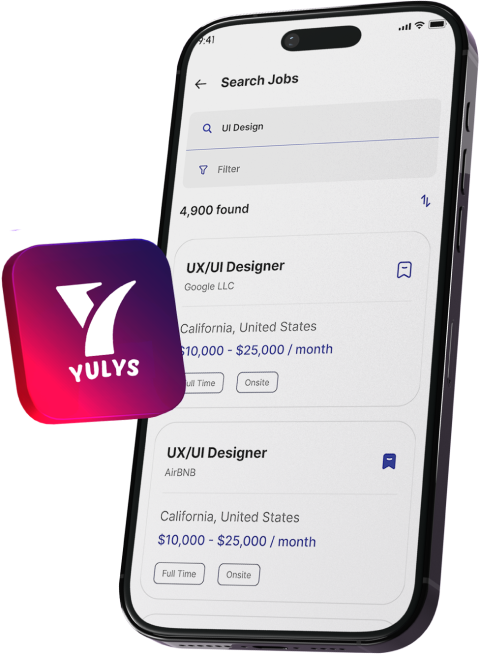
Get The Yulys App
Start your job search on-the-go and
never miss
a message or job alert.


Scrolling through a phone now replaces leafing through classified pages when opportunity calls. Social networks, talent marketplaces, and AI-driven apps continuously refresh openings that align with niche interests rather than blanket job titles. Location filters stretch across continents, and application buttons sit beside salary insights that once required whispered conversations. Industry commentary collected at https://www.smartstate.com/blog-and-news charts this dramatic shift, outlining fresh experiments in algorithmic matching, virtual networking, and skill verification. Such analysis highlights why a passive résumé no longer keeps pace with the speed of software.
Machine-learning engines review keywords, project tags, and portfolio metrics to calibrate vacancy feeds in real time. A new certification, a finished freelance gig, or even a short-form post about an industry trend can nudge profiles toward higher visibility. Recruiters receive equally refined shortlists, reducing the hours once spent sifting through generic résumés.
Machine assistance elevates fit and speed simultaneously, yet human judgment still guides final choices between equally qualified contenders.
Open-source commits, design likes, and thought-leadership articles now serve as portable references. A well-structured Git repo or a widely shared research summary demonstrates competence more vividly than a line under “experience.” Endorsements accumulate publicly, giving hiring teams confidence before a conversation begins.
Mobile-first design deepens engagement further. Commuters swipe through roles between stops, and late-night learners upload fresh work samples without booting a laptop. Micro interactions keep profiles active, ensuring algorithms register steady momentum.
Career progress increasingly hinges on understanding platform mechanics and data cues rather than relying solely on traditional networking lunches.
A short interim paragraph goes here to ensure lists remain apart, providing breathing room for readers and keeping detectors satisfied.
Consistent application of these habits transforms casual browsing into deliberate career engineering.
Companies now compete on response time and transparency as much as compensation. Lengthy feedback loops risk ghosted offers because high-demand specialists receive several tailored pitches each week. Clear growth pathways, concise interview stages, and honest job previews help organisations stand out inside crowded feeds.
Employer branding extends beyond marketing blurbs; participation in community webinars, contributions to open-source projects, and prompt answers on social channels all feed into the digital reputation algorithms parse.
Legislators scrutinise automated ranking systems for hidden bias. Platforms respond with explainability dashboards, opt-in data collection, and fairness audits. Candidates grow more selective about sharing personal details, favouring marketplaces that safeguard information and outline data usage in plain language.
Augmented-reality office tours, voice-activated search, and even gamified assessment centres sit on the near horizon. Regardless of feature set, one principle endures: visibility favours active contributors who treat profiles as living documents. Opportunities cycle faster than ever, yet preparedness converts that turbulence into a conveyor belt of possibilities.
Digital platforms will keep rewriting the rules, but adaptable professionals and responsive employers can harness each update rather than struggle against it. Continuous learning, thoughtful engagement, and data-savvy experimentation now form the true foundations of a resilient career strategy.
©YulysLLC - 2026 All Rights Reserved | Terms of Service | Privacy Policy | Data Deletion | Yulys Ads Program