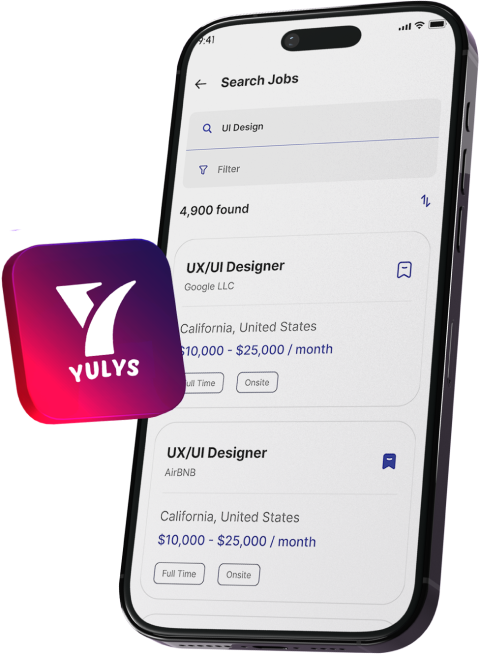
Get The Yulys App
Start your job search on-the-go and
never miss
a message or job alert.
Get The Yulys App
Start your job search on-the-go and
never miss
a message or job alert.


Starting a career can feel challenging, especially in the early stages. There are many options, and without a clear plan, confusion can easily arise. That is why planning is important. It helps you make informed choices and move forward with confidence.
This article explains career planning for beginners in a clear and structured way. It also shows how a job search website like Yulys can support your career journey. In addition, the article covers the career planning process, its importance, different career types, and the distinction between a job and a career.
Career planning helps you choose a path that matches your skills, interests, values, and strengths. It enables you to think ahead rather than choosing a job by chance. By planning your career, you can set clear goals and work toward your dream career with purpose. It also helps you reflect on important questions, such as whether you are satisfied with your current role and if you see growth in the future.
The importance of career planning for beginners is clear at the start of a career. For students and fresh graduates, it gives direction and reduces confusion. It helps them understand their options, focus on the right opportunities, and make better career choices. Over time, career planning supports steady growth and prepares individuals for future roles.

Here are the 6 steps of the career-planning process to help beginners make clear, effective career choices.
Start by identifying your interests, strengths, skills, and personal values to understand what motivates you. Think carefully about the type of work you enjoy and can see yourself doing in the long term. This step helps you make informed choices and select a career that fits your abilities and goals.
Explore different career options, industries, and specific job roles that match your interests. Learn about the required qualifications, skills, and growth opportunities for each option. Thorough research helps you make informed decisions and avoid choosing a path without potential.
Define clear short-term and long-term goals that you want to achieve in your career. Decide what milestones to reach at each stage and create a realistic plan to track progress. Setting objectives gives you direction and keeps you focused on achieving your dream career.
Identify the key skills needed for your chosen career path and work on developing them. Enroll in relevant courses, attend training, or gain practical experience to strengthen your profile. Improving skills increases your confidence and makes you more competitive in the job market. To accelerate your development, explore vocational training that blends classroom learning with hands-on labs. For job-ready preparation in skilled trades, healthcare, or technology, programs from Miller-Motte align education with specific career outcomes and offer campus and online options to fit your plan.
Create a professional CV that clearly highlights your skills, qualifications, and experience. Tailor your CV for each job application to meet the specific requirements of the role. A well-prepared CV increases your chances of getting interviews and landing the right job.
Apply for suitable positions via trusted platforms and job search websites such as Yulys. As you gain experience, review your career goals and adjust them as you progress. This step completes the process of career planning for beginners and helps you move closer to your dream career.
Understanding the difference between a job and a career is an integral part of the importance of career planning. A job is usually short-term, focused on immediate income with specific tasks, while a career is a long-term journey with growth and development. Many beginners start by searching for jobs near me on platforms like Yulys, which offers an Android and iOS app to explore opportunities easily and download now.
Here are the main differences between a job and a career:
| Aspect | Job | Career |
| Purpose | Earn money | Long-term growth and fulfillment |
| Duration | Short-term | Long-term |
| Commitment | Low | High |
| Growth | Limited | Clear advancement |
| Learning | Task-specific | Continuous learning |
| Stability | Less stable | More stable |
| Networking | Few opportunities | Many opportunities |
| Planning | Usually unplanned | Usually planned |

Career planning can take different forms depending on the approach and focus. Understanding these types helps you choose the best strategy to grow your career or find the right opportunities. The main types of career planning are explained below:
This type occurs in response to immediate situations, such as a job change, promotion, or market demand. It focuses on short-term decisions and adjusting to current circumstances rather than long-term goals.
Example: Accepting a temporary role after a sudden job loss.
Proactive planning involves anticipating future opportunities and challenges. Individuals set long-term goals, prepare skills in advance, and actively seek growth opportunities.
Example: Completing a certification in advance to qualify for a promotion.
In self-managed planning, the individual takes full responsibility for their career development. This includes assessing strengths, setting goals, acquiring skills, and tracking progress independently.
Example: A professional taking online courses and setting personal milestones to advance in their field.
Here, the organization supports employees’ career growth through structured programs, training, promotions, and mentorship. It aligns individual development with company goals.
Example: A company offering internal training programs and clear promotion paths.
This type focuses on immediate goals and actions, such as improving skills for a current role or preparing for the next promotion.
Example: Learning a new software tool to perform better in a current job.
Long-term planning focuses on career goals spanning years or decades. It involves setting a clear vision, building expertise, and advancing strategically in your field.
Example: Planning a 10-year path to become a senior manager in an organization.
This approach centers on developing specific skills required for career growth. It may involve certifications, courses, or hands-on experience to enhance job performance.
Example: Learning coding languages to become a software developer.
Knowledge-based planning focuses on gaining expertise in a subject area or industry. It emphasizes continuous learning and staying up to date with trends.
Example: Studying market trends to become a financial analyst.
Entrepreneurial planning is for individuals aiming to start or grow a business. It involves strategic planning, market research, networking, and building a sustainable career independently.
Example: Launching a startup after conducting market research and creating a business plan.
Career planning for beginners helps students and fresh graduates make informed choices, set clear goals, and grow professionally. Using tools like Yulys, individuals can explore jobs, follow a structured career-planning process, develop skills, and understand career types, moving confidently toward their dream career with clarity and purpose.
Start by assessing your interests, skills, strengths, and values. Research career options that match you, set goals, and take steps to gain the necessary skills. Using platforms like Yulys can help you explore job opportunities and plan effectively.
The basic steps include self-assessment, researching careers, setting short- and long-term goals, improving skills, preparing your CV, searching for jobs, and revising goals as you progress.
©YulysLLC - 2026 All Rights Reserved | Terms of Service | Privacy Policy | Data Deletion | Yulys Ads Program